
Powodem utrzymującego się niedoboru chipsów jest głównie to, że podaż przewyższa popyt.
Skoncentruj się na:
1. Epidemia sprzyja rozwojowi domowego biura, domowej rozrywki i handlu elektronicznego, prowadząc do gwałtownego wzrostu popytu na produkty technologiczne, ale budowa fabryki chipów zajmuje dużo czasu i nie nadąża za tempem wzrostu popytu;
2. Profesor Uniwersytetu Cornell powiedział: „Jeśli każdy chce produkować chipy, kupi ten sam sprzęt”; ponieważ w przypadku toksycznych chemikaliów jedynie przeszkoleni profesjonaliści mogą „wykonywać rdzenie”, co prowadzi do niedoboru siły roboczej
3. Kiedy brakuje wszystkich aspektów, istniejące zasoby są kierowane w stronę bardziej wymagających, najnowocześniejszych chipów, podczas gdy staromodne chipy są spychane na stosunkowo drugorzędne miejsce.
Od wybuchu epidemii Covid-19 do chwili obecnej niedobór chipów zawsze nękał łańcuch dostaw produktów elektronicznych. Epidemia wywołała zawirowania w branży od blisko dwóch lat. Jako serce wielu produktów technologicznych, nadal występuje poważny niedobór chipów; producenci z takich branż jak konsole do gier, sprzęt sieciowy, sprzęt medyczny i samochody nadal cierpią z powodu braku chipsetów.
Początkowo ludzie myśleli, że problem rozwiąże się sam – albo producenci zintensyfikują wysiłki, aby zaspokoić popyt, albo popyt w sposób naturalny ostygnie, ale teraz “niedobór rdzenia” problem jest nadal bardzo poważny.
Problem z chipami nie został złagodzony, ale stał się trudniejszy do kontrolowania. Zamknięcie miasta i kwarantanna domów wszystkich ludzi należą już do przeszłości, ale brak chipsów nadal stanowi duży problem.
Problemy z łańcuchem dostaw wstrzymały produkcję pojazdów elektrycznych w Niemczech. We wrześniu agencja Associated Press podała, że z powodu braku rdzeni wiele montowni GM i Forda w Ameryce Północnej zawiesiło produkcję; Dyrektor generalny Tesli, Elon Musk, przypomniał kiedyś w wewnętrznych e-mailach pracowników, że wielkość dostaw Tesli zależy od stanu globalnych niedoborów chipów, a niedobór jest nadal poważny.
W październiku tego roku Apple swoje słabe wyniki finansowe tłumaczył niedoborami chipów. Pojawiły się także doniesienia, że iPhone 13 zmniejszy produkcję o 10 milionów z powodu niedoborów chipów. Intel ostrzegł także, że niedobory podaży mogą utrzymywać się do 2023 roku.
Nie najlepiej radzi sobie także branża sprzętu do gier. Nintendo ogłosiło również w tym miesiącu, że musi obniżyć swoje oczekiwania sprzedażowe ze względu na takie czynniki, jak niedobory chipów. Nintendo spodziewa się, że całkowita sprzedaż w bieżącym roku finansowym wyniesie 24 miliony sztuk, czyli o około 6% mniej niż wcześniej ustalony cel sprzedaży na poziomie 25,5 miliona sztuk.
Krótko mówiąc, łańcuch dostaw półprzewodników został rozszerzony na nowe, głęboko zakorzenione i trudne do rozwiązania sposoby. Tempo wzrostu popytu przekracza możliwości firm produkujących chipy, zwłaszcza zastosowanie szerokiej gamy podstawowych komponentów, co niesie ze sobą kilka poważnych ryzyk inwestycyjnych ze względu na ogromne wahania popytu.
Brian Matas, wiceprezes ds. badań rynkowych w IC Insights, firmie analitycznej zajmującej się branżą półprzewodników, powiedział: “Światowa gospodarka od tak dawna znajduje się w stagnacji z powodu epidemii, a łańcuch dostaw jeszcze się nie odbudował.”
Powodem utrzymującego się niedoboru chipsów jest głównie to, że podaż przewyższa popyt – popyt na chipsy wciąż rośnie, ale budowa nowych fabryk nie zawsze jest kwestią jednej nocy. Ponadto cykliczne zmiany w historii również zniechęciły część inwestorów.
Popyt szybko rośnie, a budowa nowych zakładów nie następuje tak szybko
W 2020 r., kiedy stopniowo stają się widoczne skutki gospodarcze nowej epidemii korony, branża chipów zaczęła przewidywać wzrost popytu. Według danych Semiconductor Industry Association globalna sprzedaż chipów spadła w 2019 roku o 12%. Jednak w grudniu 2019 roku organizacja przewidywała, że światowy przemysł chipów wzrośnie odpowiednio o 5,9% i 6,3% w 2020 i 2021 roku.
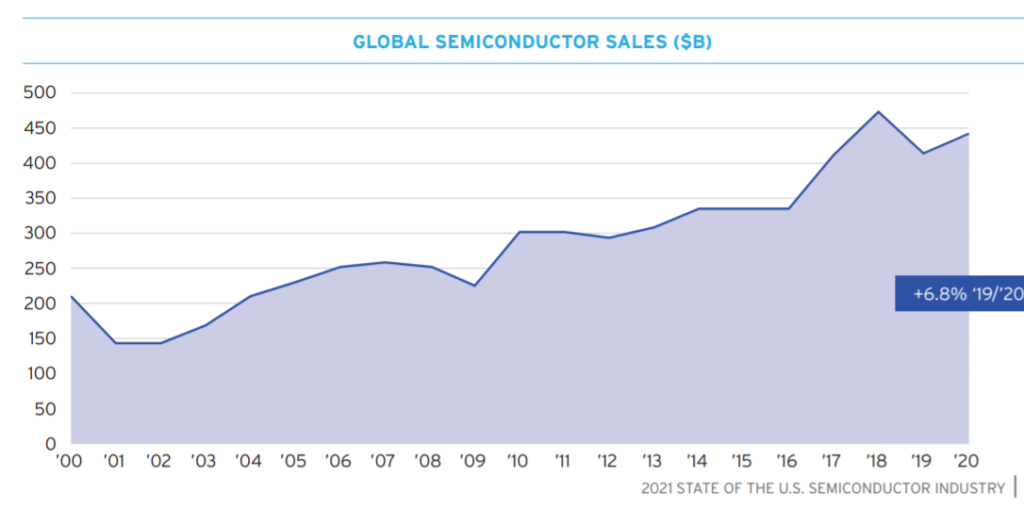
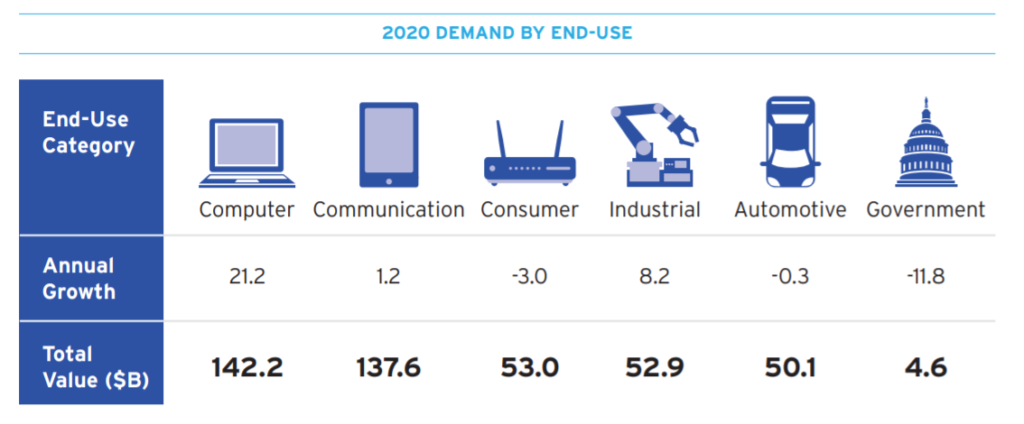
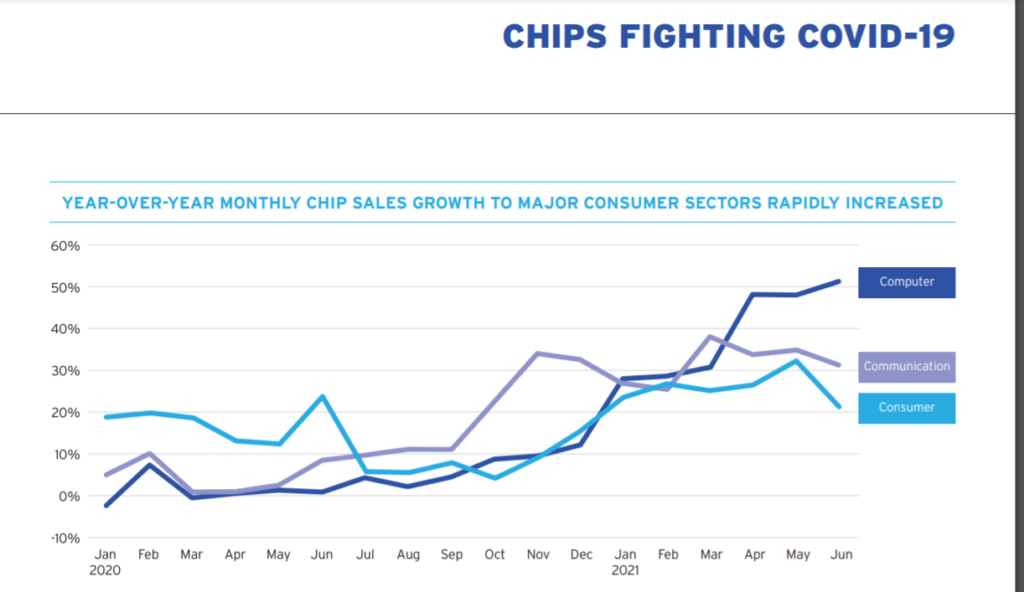
Z najnowszych danych wynika, że światowa sprzedaż chipów w okresie od sierpnia 2020 r. do sierpnia 2021 r. wzrosła o 29,7%. Popyt czerpie korzyści z promocji przetwarzania w chmurze i technologii 5G, a różne produkty, takie jak samochody i sprzęt gospodarstwa domowego, również zwiększają wykorzystanie chipów.
Profesor Harvard Business School i były dyrektor firmy Intel, David Yoffie, powiedział, że biuro domowe, rozrywka domowa i handel elektroniczny spowodowały gwałtowny wzrost popytu na wiele zaawansowanych technologicznie produktów, który przekroczył oczekiwania wielu osób.
Producenci chipów zdawali sobie sprawę z utrzymującej się siły tego popytu dopiero około rok temu, ale przejście nie nastąpiło z dnia na dzień. Budowa nowej fabryki chipów będzie kosztować miliardy dolarów i potrwa kilka lat. Joffe zauważył: "Budowa nowej fabryki zajmie około dwóch lat. A fabryka staje się coraz większa, koszty są coraz wyższe i staje się coraz bardziej skomplikowane."

Sony i TSMC niedawno ogłosili, że zainwestują 7 miliardów dolarów w budowę fabryki chipów zdolnej do produkcji starych komponentów w Japonii, ale produkcja ta rozpocznie się dopiero pod koniec 2024 roku. Intel inwestuje także w budowę kilku nowych, zaawansowanych technologicznie fabryk, ale zostaną one uruchomione online dopiero w 2024 roku.
Joffe zwrócił uwagę, że jedynie holenderska firma ASML (jeden z największych na świecie producentów sprzętu półprzewodnikowego) może dostarczyć maszynę do litografii w ekstremalnym ultrafiolecie niezbędną do produkcji najnowocześniejszych układów scalonych, kosztującą nawet 120 milionów dolarów. Jednak ASML nie jest w stanie przyspieszyć podaży i zaspokoić rosnącego popytu.
Braki sprzętu i materiałów
Brakuje również wielu elementów potrzebnych do produkcji półprzewodników. Podłoże do produkcji płytek drukowanych, czyli powierzchnia, na której mocowany jest chip, zawsze była trudna do zakupu.
Te płytki prądowe są kluczem do komunikacji między chipami. Ron Olson, dyrektor operacyjny w Centrum Badań nad Nanonauką i Technologią na Uniwersytecie Cornell, zwrócił również uwagę, że obecnie również występują opóźnienia w dostawach niektórych skomplikowanych elementów związanych z procesem produkcyjnym, takich jak środki ochrony osobistej i rury do gazu ziemnego.
Budowa nowych fabryk i zwiększanie wydajności istniejących fabryk również wywiera presję na łańcuch dostaw sprzętu do produkcji półprzewodników. “Zwykle zwracamy uwagę na fabryki chipów, ale fabryki chipów potrzebują całego zestawu rzeczy, aby stać się fabrykami chipów, a te firmy mają obecnie problemy.” Profesor inżynierii materiałowej Uniwersytetu Cornell, Chris Ober (Chris Ober), powiedział: “Jeśli wszyscy chcą Jeśli będziesz produkować żetony, zgarniesz ten sam sprzęt.”
Liczba wysoko wyspecjalizowanych producentów sprzętu półprzewodnikowego jest ograniczona, a cykl dostaw bardzo długi. Ponadto instalacja i testowanie niezawodności tych urządzeń w fabryce zajmuje również dużo czasu.
“Zakup sprzętu zajmuje od pół roku do roku, a następnie wymagany jest rozwój różnych procesów i ocena sprzętu.” Olsen powiedział, “To wymaga czasu.”
Niedobór siły roboczej
Aby sprostać stale rosnącemu zapotrzebowaniu na chipy, oprócz budowy większej liczby fabryk chipów, należy zatrudnić więcej osób. Organizacja handlu półprzewodnikami IPC opublikowała pod koniec września raport, z którego wynika, że prawie cztery piąte producentów ma trudności ze znalezieniem odpowiednich pracowników, a problemy w Europie i Ameryce Północnej są szczególnie poważne.
Aby poradzić sobie z toksycznymi chemikaliami używanymi w procesie produkcji chipów, pracownicy muszą przejść specjalne szkolenie, co stanowi kolejną przeszkodę w zwiększaniu siły roboczej. Aby przyciągnąć nowych pracowników, firmy polegają obecnie na wyższych wynagrodzeniach, bardziej elastycznych godzinach pracy oraz możliwościach szkoleń i edukacji.
Oregonian ze Stanów Zjednoczonych poinformował, że Intel nawet umieścił “potrzebna pomoc” reklamy w telewizji i radiu, w szczególności rekrutujące studentów szkół wyższych.
Zasoby kierują się w stronę najnowocześniejszych chipów, “trudne w produkcji” stare chipsy
W tym momencie widać dalszy wpływ niewystarczających zasobów – nie wszystkie żetony tak są “urodzony równy.”
Głównym źródłem niedoborów stały się proste komponenty półprzewodnikowe, takie jak chipy sterujące mocą, chipy mikrokontrolujące i czujniki. Złożoność tych urządzeń jest znacznie mniejsza niż procesorów i kart graficznych stosowanych w smartfonach i konsolach do gier, a stosowane procesy produkcyjne nie są zbyt skomplikowane. Jednak zakres ich zastosowań jest niezwykle szeroki, od kuchenek mikrofalowych po sprzęt medyczny i zabawki. Prawie wszystkie produkty będą wykorzystywać tego rodzaju komponenty elektroniczne.
Według Josha Pucci, wiceprezesa Sourceability, platformy komponentów elektronicznych, chip sterujący mocą używany w wielu produktach kosztował kiedyś tylko 1 dolara, ale obecnie jego cena gwałtownie wzrosła do 150 dolarów. IC Insights podało, że czas realizacji takich komponentów został wydłużony z 4-8 tygodni do 24-52 tygodni. Staromodny sprzęt do produkcji chipów jest obecnie trudny do znalezienia, a niedobór tych produktów zwiększa popyt na taki sprzęt.
Firma badawcza Gartner przewiduje, że wskaźnik wykorzystania mocy produkcyjnych światowej fabryki chipów osiągnie 95,6% w drugim kwartale 2021 r. w porównaniu z zaledwie 76,5% w drugim kwartale 2019 r. Analityk firmy Gartner Gaurav Gupta (Gaurav Gupta) stwierdził, że pokazuje to, że fabryka już pracuje z pełną wydajnością, ponieważ niektóre linie produkcyjne wymagają wyłączenia w celu konserwacji.
Dyrektor generalny firmy GlobalFoundries, zajmującej się odlewnictwem chipów, Tom Caulfield (Tom Caulfield) powiedział w październiku tego roku, że moce produkcyjne jego firmy zostały zarezerwowane do 2023 r. Na niektóre produkty Analog Devices istnieje niezwykle duży popyt. Dyrektor finansowy tej spółki powiedział inwestorom w sierpniu br., że zamówienia zaplanowano na kolejny rok finansowy rozpoczynający się w tym miesiącu.
Częścią wyzwań stojących przed producentami chipów jest to, że niektórzy klienci mogą je mieć “podwójna rezerwacja” sytuacjach, czyli celowych nadmiernych zakupów, aby zapobiec niewystarczającej podaży, co skutkuje nieprzewidywalnymi przyszłymi tendencjami w zakresie popytu. “Sytuację pogorszyły braki w magazynie spowodowane podwójnymi rezerwacjami,” powiedział Willy Shih, profesor w Harvard Business School.
Analitycy uważają, że firmy, które mogą produkować takie chipy, mogą niechętnie inwestować w nowe fabryki ze względu na skromne zyski z takich chipów i silną cykliczność branży półprzewodników. Wymagania często gwałtownie rosną i spadają. Obawiają się, że nadpodaż chipsów w przyszłości spowoduje spadek cen produktów.
“Patrząc wstecz na historię przemysłu półprzewodników, przekonasz się, że po gwałtownym wzroście zysków i cen nastąpi poważny cykl spadków.” Jofi z Harvard Business School powiedziała: “Nie wiemy, czy obecny wzrost popytu będzie mógł się utrzymać.”
Chociaż istnieje wiele nowych mocy produkcyjnych w zakresie chipów, większość z nich zostanie wykorzystana do zaspokojenia najnowocześniejszych produktów. Raport opublikowany przez firmę Gartner w styczniu tego roku przewiduje, że producenci chipów zainwestują w tym roku 146 miliardów nowych mocy produkcyjnych, co stanowi wzrost o 50% w porównaniu z 2019 rokiem, ale tylko niewielka część z nich zostanie wykorzystana w bardziej popularnych starych chipach.
Teoretycznie zwiększenie mocy produkcyjnych najnowocześniejszych chipów może uwolnić więcej fabryk do produkcji starszych chipów, ale nie stanie się tak w przypadku niedoborów podaży. Pushi z Sourceability powiedział, że chociaż firmy zaczęły niedawno inwestować w budowanie mocy produkcyjnych w zakresie staromodnych chipów, przed rozważeniem rozpoczęcia budowy muszą nakłonić klientów do realizacji dwuletnich zamówień.

Kiedy zabraknie chipa?
ASML Dyrektor generalny Peter Wennike (Peter Wennink) wyjaśnił niedawno: "W zeszłym roku z powodu epidemii klienci byli bardzo ostrożni. Jednak patrząc wstecz, wydają się być zbyt ostrożni i zbyt małe tłumienie popytu. Teraz popyt gwałtownie rośnie i my. Osiągnięcie zwiększenia mocy produkcyjnych z pewnością zajmie trochę czasu.” Jego zdaniem zaspokojenie dzisiejszego zapotrzebowania na produkcję zajmie rok 2022.
Dyrektor generalny firmy Intel Pat Gelsinger (Pat Gelsinger) powiedział, że gwałtowny wzrost aktywności online podczas pandemii Covid-19 wywołał “półprzewodnikowy wybuchowy cykl wzrostu.” Dodał: “Chociaż branża podjęła pewne działania w celu rozwiązania ostatnich napięć, upłynie dwa lata, zanim cały ekosystem upora się z niedoborami chipów, substratów i komponentów.”
Prezes TSMC Liu Deyin optymistycznie ocenia swoją zdolność do zaspokojenia popytu. W zeszłym roku powiedział: “Obecnie myślimy… do końca czerwca (2020) jesteśmy w stanie spełnić minimalne wymagania naszych klientów.” Ale jak powiedział, nie oznacza to, że niedobory wkrótce znikną. “Będą opóźnienia. Szczególnie w przypadku chipów samochodowych łańcuch dostaw w tej branży jest długi i skomplikowany. Czas dostawy zajmie siedem lub osiem miesięcy.” Dodał.