How can an off-screen display stump Apple?
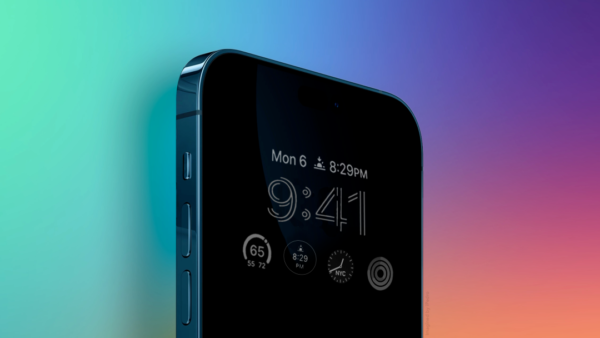
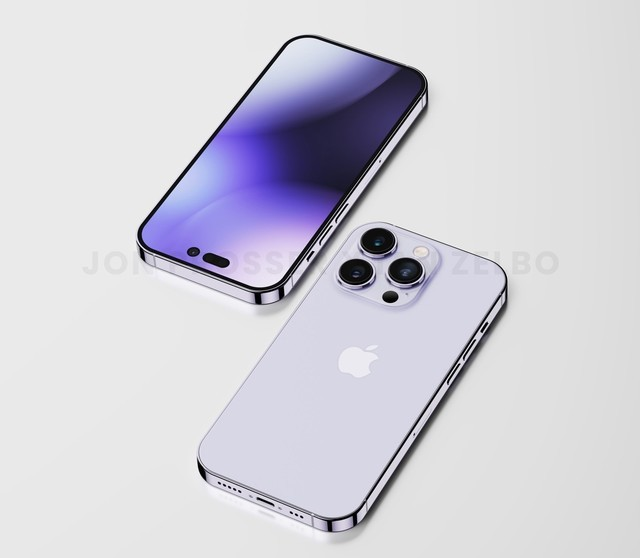
According to the iOS 16 code previously launched by Apple, the iPhone 14 Pro and iPhone 14 Pro Max may support the screen display.
Is it possible that only the iPhone 14 Pro series supports an off-screen display? From the data mentioned in the code alone, this is indeed the case.
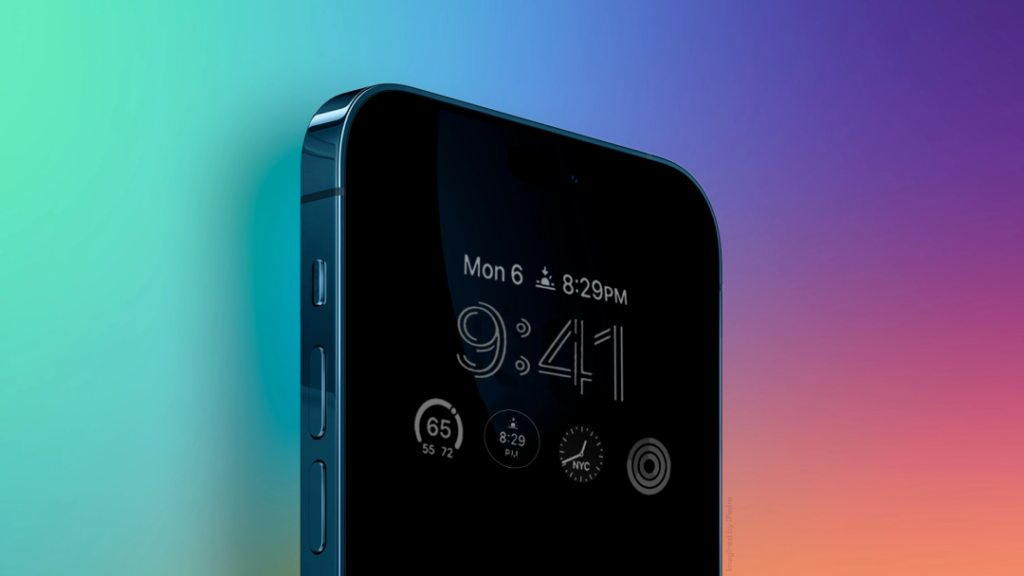
Because the revelations about the iPhone 14 show that the ProMotion screen on the iPhone 14 Pro can reduce the screen refresh rate to 1Hz, so as to realize the function of the screen display without seriously affecting the battery power.
But to put it this way, the current iPhone 13 Pro series supports a minimum refresh rate of 10Hz, which can be an early adopter.
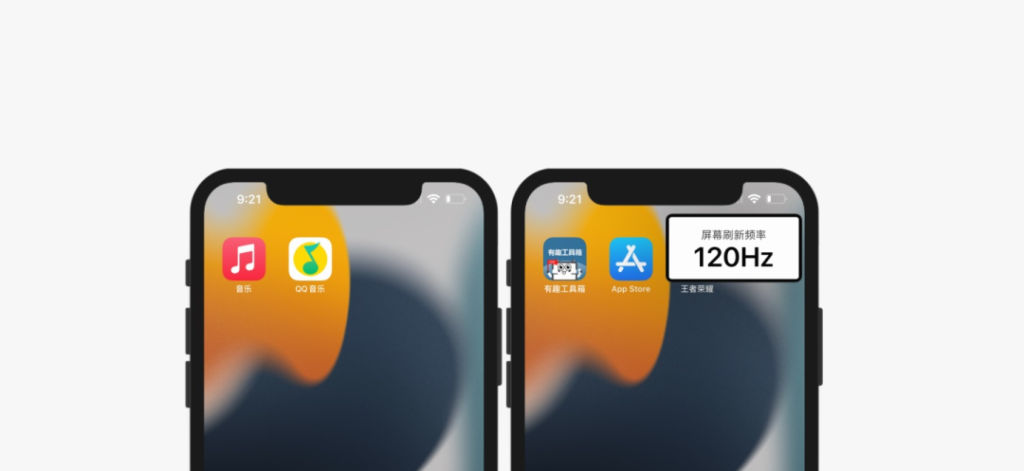
It may seem like a tenfold difference, but in reality, it’s really not a big problem. After all, the same OLED screen is nothing more than a little more power consumption.
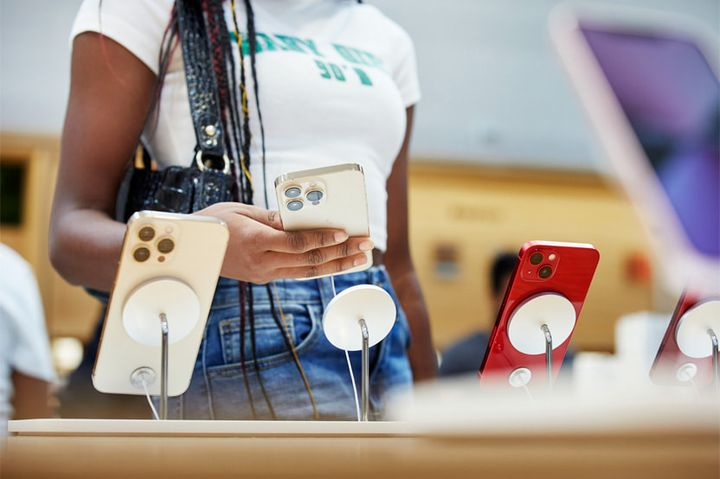
However, with Apple’s paranoid character, I think this is unlikely.
In addition to the fact that other device screens do not support the 1Hz refresh rate, there may be a deeper reason: Apple regards the off-screen display as a selling point of the iPhone 14 Pro series, and even castrated the off-screen display of other devices for this reason.
No, some netizens found that after charging and picking up the iPhone they upgraded to iOS 16, they were suspected of triggering the off-screen display of iOS 16, and even triggered it by mistake many times.
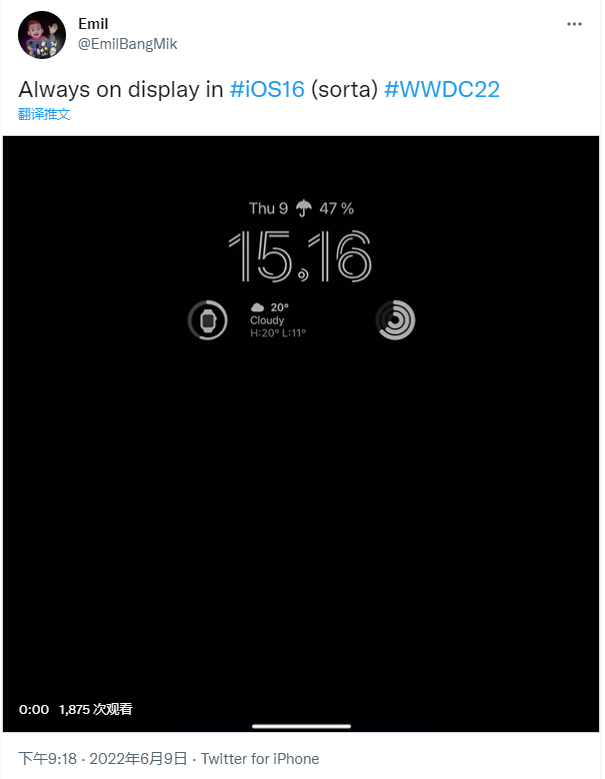
ಈ ದೋಷದ ಪ್ರಚೋದನೆಯು ಐಫೋನ್ 14 ಪ್ರೊ ಸರಣಿಯ ಜೊತೆಗೆ, ಇತರ ಸಾಧನಗಳು ಸಹ ಪರದೆಯ ಪ್ರದರ್ಶನವನ್ನು ಬೆಂಬಲಿಸುತ್ತವೆ ಎಂದು ನಂಬಲು ನಮಗೆ ಸಮಂಜಸವಾದ ಕಾರಣಗಳನ್ನು ನೀಡುತ್ತದೆ. ಆಪಲ್ ಅದನ್ನು ಏಕೆ ನೀಡುವುದಿಲ್ಲ ಎಂಬ ಕಾರಣಕ್ಕಾಗಿ, ಇದು ಇತರ ಐಫೋನ್ಗಳ ಕಳಪೆ ಬ್ಯಾಟರಿ ಅವಧಿಯ ಕಾರಣದಿಂದಾಗಿರಬಹುದು.
ಇತರ ಐಫೋನ್ ಅಲ್ಲದ 14 ಪ್ರೊ ಸರಣಿಯ ಬಳಕೆದಾರರು ಸಹ ಪರದೆಯ ಪ್ರದರ್ಶನವನ್ನು ಬಳಸಲು ಬಯಸಿದರೆ, ಅವರು ನಂತರ ಐಫೋನ್ ಅನ್ನು ಜೈಲ್ ಬ್ರೇಕ್ ಮಾಡಲು ಪ್ರಯತ್ನಿಸಬಹುದು, ಇದರಿಂದಾಗಿ iOS 16 ಇತರ ಸಾಧನಗಳಲ್ಲಿ ಈ ಕಾರ್ಯವನ್ನು ಪ್ರದರ್ಶಿಸಬಹುದು. ಆದಾಗ್ಯೂ, ಎಲ್ಸಿಡಿ ಪರದೆಯ ಸ್ನೇಹಿತರು ಮೋಜಿನಲ್ಲಿ ಸೇರಬಾರದು.
ಏಕೆಂದರೆ LCD ಗಳು “ಆನ್-ಸ್ಕ್ರೀನ್ ಪ್ರದರ್ಶನ” ನಿಜವಾಗಿಯೂ ಶಕ್ತಿ-ಹಸಿದ!
ಹಾಗೆ ಹೇಳಿದ ನಂತರ, ನಮಗೆ ನಿಜವಾಗಿಯೂ ಯಾವಾಗಲೂ ಆನ್ ಡಿಸ್ಪ್ಲೇ ಅಗತ್ಯವಿದೆಯೇ?
ನಮ್ಮ ಇಲಾಖೆಯ ಅನುಭವವನ್ನೇ ಉದಾಹರಣೆಯಾಗಿ ತೆಗೆದುಕೊಳ್ಳೋಣ, ಮೊಬೈಲ್ ಫೋನ್ ನಲ್ಲಿ ಸದಾ ಆನ್ ಸ್ಕ್ರೀನ್ ಡಿಸ್ ಪ್ಲೇ ಆನ್ ಮಾಡಿದ ಏಳು ಜನರಲ್ಲಿ ಒಬ್ಬರು ಮಾತ್ರ. ಪರದೆಯ ಪ್ರದರ್ಶನವನ್ನು ಆನ್ ಮಾಡದ ಬಳಕೆದಾರರಾಗಿ, ನಾನು ಎಲ್ಲರಿಗೂ ಪರದೆಯ ಪ್ರದರ್ಶನವನ್ನು ಹೊಂದಿರುವ ಸಹೋದ್ಯೋಗಿಗಳನ್ನು ಕೇಳಿದೆ. ಅವರು ನೀಡಿದ ಕಾರಣವೂ ತುಂಬಾ ಸರಳವಾಗಿದೆ: ಪರದೆಯ ಪ್ರದರ್ಶನವು ಪರದೆಯನ್ನು ಆನ್ ಮಾಡದೆಯೇ ಸಮಯ ಮತ್ತು ಅಧಿಸೂಚನೆ ಸಂದೇಶಗಳನ್ನು ನೋಡಲು ನನಗೆ ಅನುಮತಿಸುತ್ತದೆ.
ಬಳಕೆದಾರರು ಪರದೆಯ ಪ್ರದರ್ಶನವನ್ನು ಇಷ್ಟಪಡಲು ಇದು ಕಾರಣವಾಗಿರಬಹುದು.
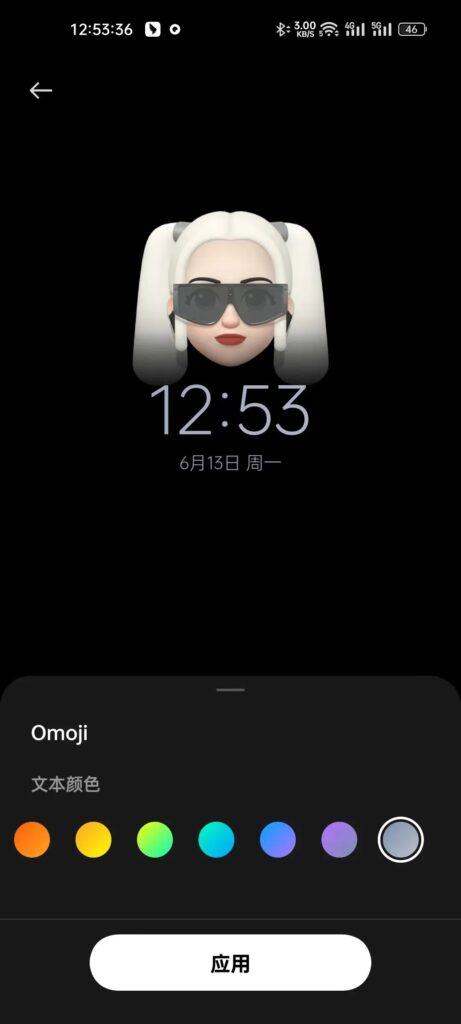
ವೈಯಕ್ತಿಕ ದೃಷ್ಟಿಕೋನದಿಂದ, ಪರದೆಯ ಪ್ರದರ್ಶನವು ಬಹಳ ಮುಖ್ಯವೆಂದು ನಾವು ಭಾವಿಸುವುದಿಲ್ಲ, ಆದರೆ ಇದು ಮೊಬೈಲ್ ಫೋನ್ ಅನ್ನು ನೋಡುವ ಆವರ್ತನವನ್ನು ಹೆಚ್ಚಿಸುತ್ತದೆ ಮತ್ತು ಮೊಬೈಲ್ ಫೋನ್ಗೆ ಕಾರಣವಾಗಬಹುದು. “ಪರದೆಯನ್ನು ಸುಟ್ಟುಹಾಕಿ”. More importantly, our smartwatch can also allow us to see the time and not miss notifications.
In this case, we do not seem to need the screen display very much.
For some screens with particularly high brightness, it is best to turn on the off-screen display with caution. This is not a question of power consumption, but a problem of screen burn-in: if the manufacturer does not make a pixel offset for the device’s on-screen display, within a week, the on-screen display in the always-on state will burn the screen.
This is also a common problem with OLED screens at present.
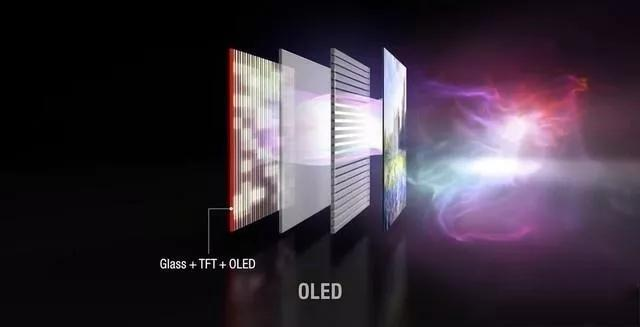
OLED ಪರದೆಯು, ಪ್ರದರ್ಶನದ ಪರದೆಯು ಅದೇ ಸ್ಥಾನದಲ್ಲಿ ದೀರ್ಘಕಾಲದವರೆಗೆ ಸ್ಥಿರ ಚಿತ್ರವನ್ನು ಪ್ರದರ್ಶಿಸಿದಾಗ, ಪ್ರದರ್ಶನದ ವಿಷಯವು ಸಾವಯವ ವಸ್ತುಗಳ ಸ್ವಯಂ-ಪ್ರಕಾಶಿಸುವ ಗುಣಲಕ್ಷಣಗಳನ್ನು ಬಳಸುತ್ತದೆ, ಈ ಸ್ಥಾನಗಳಲ್ಲಿನ ಪಿಕ್ಸೆಲ್ಗಳಿಗೆ ಅನುಗುಣವಾದ ಸಾವಯವ ವಸ್ತುವು ಇತರ ಸ್ಥಾನಗಳಿಗಿಂತ ಹೆಚ್ಚು ಕಳೆದುಹೋಗುತ್ತದೆ. ವೇಗವಾಗಿ.
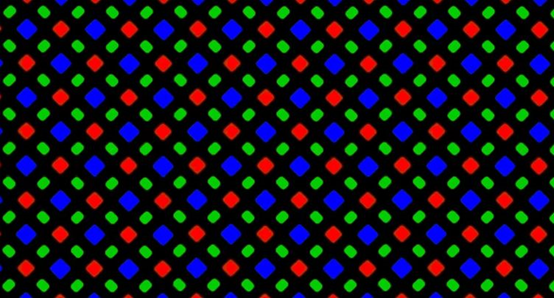
ಸಹಜವಾಗಿ, ಈ ರೀತಿಯ ಪರಿಸ್ಥಿತಿ ಸೇರಿದೆ “ಸಾಮಾನ್ಯೀಕರಣ”, ಮತ್ತು ಪ್ರತಿಯೊಬ್ಬರೂ ತಮ್ಮ ನೈಜ ಅಗತ್ಯಗಳ ಆಧಾರದ ಮೇಲೆ ಪರದೆಯ ಪ್ರದರ್ಶನದ ಅಗತ್ಯವಿದೆಯೇ ಎಂದು ನಿರ್ಣಯಿಸಬೇಕು!